When it comes to industrial applications, nitrogen is an indispensable gas. As a nitrogen generator supplier, I often get asked about the energy consumption of nitrogen generators. Understanding the energy consumption of a nitrogen generator is crucial for businesses, as it directly impacts operational costs and environmental sustainability. In this blog, I will delve into the factors that influence the energy consumption of nitrogen generators, compare different types of nitrogen generators in terms of energy efficiency, and provide some tips on reducing energy consumption. Nitrogen Generator

Factors Influencing Energy Consumption
Type of Nitrogen Generation Technology
There are two main types of nitrogen generation technologies: Pressure Swing Adsorption (PSA) and Membrane Separation. PSA nitrogen generators use adsorbent materials to separate nitrogen from other gases in the air. The process involves pressurizing the air and passing it through a bed of adsorbent, which selectively adsorbs oxygen and other impurities, leaving nitrogen to be collected. PSA generators typically require more energy because they need to compress the air to high pressures and then release the pressure to regenerate the adsorbent.
On the other hand, membrane separation nitrogen generators use semi – permeable membranes to separate nitrogen from oxygen. The air is passed through the membranes, and oxygen and other gases permeate through the membrane at a faster rate than nitrogen. Membrane generators generally consume less energy as they operate at lower pressures. However, they may have limitations in terms of purity and flow rate compared to PSA generators.
Nitrogen Purity Requirements
The purity of nitrogen required for a particular application has a significant impact on energy consumption. Higher purity nitrogen requires more energy to produce. In a PSA generator, achieving a higher purity level means running the adsorption and desorption cycles more intensively, which increases the energy needed for compression and regeneration. For membrane generators, to obtain a higher purity level, more air needs to be processed through the membranes, also leading to increased energy consumption.
Flow Rate
The flow rate of nitrogen, which is the amount of nitrogen produced per unit of time, is another important factor. A higher flow rate generally requires more energy. In PSA generators, a larger flow rate means more air needs to be compressed and processed through the adsorbent beds. In membrane generators, a higher flow rate necessitates a larger membrane area and more air to be forced through the membranes, both of which increase energy consumption.
Compressor Efficiency
The compressor is one of the most energy – consuming components in a nitrogen generator. Its efficiency plays a crucial role in determining the overall energy consumption of the system. A less efficient compressor will consume more energy to achieve the same level of pressure as a more efficient one. Factors such as the compressor’s design, age, and maintenance can affect its efficiency. Regular maintenance, including proper lubrication, cleaning of filters, and inspection of components, can help keep the compressor operating at its optimal efficiency.
Comparison of Energy Consumption between PSA and Membrane Nitrogen Generators
PSA Nitrogen Generators
PSA nitrogen generators are known for their ability to produce high – purity nitrogen. They are commonly used in applications where a purity level of 99.9% or higher is required, such as in the electronics and food packaging industries. However, their energy consumption is relatively high. The compression and regeneration processes in PSA generators consume a significant amount of electrical energy.
The energy consumption of a PSA nitrogen generator can be estimated based on the compressor power and the operating cycle. For example, a medium – sized PSA nitrogen generator with a flow rate of 10 – 20 Nm³/h and a purity of 99.9% may have a compressor power of around 5 – 10 kW. The actual energy consumption will also depend on factors such as the inlet air temperature and humidity.
Membrane Nitrogen Generators
Membrane nitrogen generators are more energy – efficient when it comes to producing nitrogen at lower purity levels, typically up to 99%. They are often used in applications where a lower purity is acceptable, such as in some chemical processes and inerting of storage tanks. Membrane generators operate at lower pressures, which reduces the energy required for compression.
A membrane nitrogen generator with a similar flow rate of 10 – 20 Nm³/h and a purity of 99% may have a compressor power of around 2 – 5 kW. This shows that membrane generators can consume significantly less energy than PSA generators for the same flow rate at lower purity levels.
Tips for Reducing Energy Consumption
Optimize Nitrogen Purity
One of the most effective ways to reduce energy consumption is to optimize the nitrogen purity according to the actual requirements of the application. If a lower purity level can meet the needs of the process, there is no need to produce nitrogen at a higher purity, which will save a considerable amount of energy. For example, in some food packaging applications, a nitrogen purity of 95 – 98% may be sufficient, rather than aiming for 99.9%.
Adjust Flow Rate
Regularly assess the nitrogen flow rate requirements of the application. If the demand for nitrogen varies over time, consider using a variable – speed compressor or a system that can adjust the flow rate accordingly. This way, the nitrogen generator can operate at a lower energy level when the demand is low.
Improve Compressor Efficiency
As mentioned earlier, the compressor is a major energy – consuming component. Ensure that the compressor is properly maintained and operated at its optimal efficiency. Use high – quality lubricants, clean or replace air filters regularly, and monitor the compressor’s performance. Upgrading to a more energy – efficient compressor can also be a long – term investment to reduce energy consumption.
Recover Waste Heat
Some nitrogen generators generate a significant amount of waste heat during the compression process. This waste heat can be recovered and used for other purposes, such as pre – heating the inlet air or providing heat for other processes in the facility. By recovering waste heat, the overall energy efficiency of the nitrogen generation system can be improved.
Conclusion
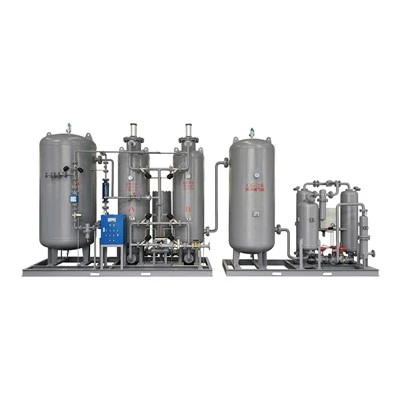
In conclusion, the energy consumption of a nitrogen generator is influenced by several factors, including the type of generation technology, nitrogen purity requirements, flow rate, and compressor efficiency. PSA nitrogen generators are suitable for high – purity applications but consume more energy, while membrane nitrogen generators are more energy – efficient for lower – purity requirements. By optimizing nitrogen purity, adjusting flow rate, improving compressor efficiency, and recovering waste heat, businesses can reduce the energy consumption of their nitrogen generators, leading to cost savings and a more sustainable operation.
Electric Air Compressor If you are interested in learning more about nitrogen generators and how to optimize their energy consumption for your specific application, or if you are considering purchasing a nitrogen generator, please feel free to contact us. We are a professional nitrogen generator supplier with extensive experience in providing high – quality nitrogen generation solutions. We can offer you detailed technical advice and customized solutions to meet your needs.
References
- "Industrial Gas Handbook: Gas Separation and Purification" by Angelo P. Altman
- "Nitrogen Generation Systems: Design, Operation, and Maintenance" by James M. Smith
- Various technical papers on nitrogen generation technologies published in industry – related journals.
Jiangxi Fuze Power Equipment Co., Ltd.
With abundant experience, we are one of the most professional nitrogen generator manufacturers and suppliers in China. Please feel free to buy customized nitrogen generator made in China here from our factory. For quotation, contact us now.
Address: 1st Floor, Factory Building No. 2, Optical Base, Shangrao Economic Development Zone, Jiangxi Province
E-mail: fuzedongli@163.com
WebSite: https://www.jxfzpower.com/
