If you’ve ever stood behind a wheel tractor at a construction site, farm field, or mining operation, you’ve probably noticed the big metal pipe running along its frame—half of it hidden under the chassis, the other sticking out toward the back. That’s the exhaust system, and it’s way more than just a pipe that carries fumes away. As a wheel tractor supplier, I talk to operators and fleet managers all the time who think it’s just a set of tubes and a muffler, but skip over how important it is for keeping their tractors running strong, getting decent fuel economy, and complying with emissions rules that aren’t going anywhere. Today I’m breaking down what the exhaust system actually does on a wheel tractor, how it’s built differently from your pickup’s exhaust, and why skimping on maintenance or skipping repairs here will cost you way more in the long run. Wheel Tractor
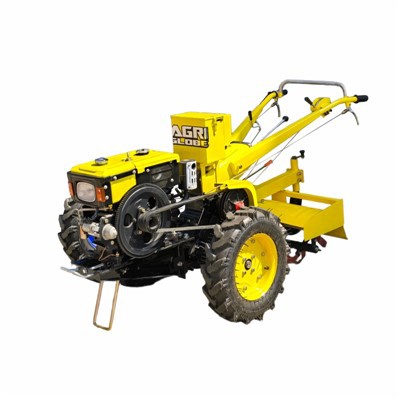
First off, let’s get one thing straight: a wheel tractor isn’t your average car. It’s built to pull, push, or haul massive loads—think 100-ton mining dump trucks, 200 HP agricultural tractors pulling combine harvesters, or construction tractors grading roadbeds for 12 hours straight. Those jobs put way more stress on the engine than a daily commute to work, so its exhaust system has to handle way higher heat, heavier soot, and way bigger volumes of gas. It’s not just one pipe, either; it’s a whole sequence of parts working together, each with a specific job, and if even one part fails, the whole system backs up, and so does performance.
Let’s start at the source. The first part of the exhaust system is the exhaust manifold. That’s the bolted-on metal component right on the engine head, where each cylinder’s exhaust valve dumps burnt gas after combustion. On a four-cylinder wheel tractor engine, you’ve got four ports on the manifold; on a six-cylinder, six. The trick here is that manufacturers like us shape the manifold to pull gas away from the engine as fast as possible, without creating backpressure (the force that makes gas slow down and build up in the cylinders). A lot of cheap after-market manifolds are too restrictive, which makes the engine work harder to push gas out, killing fuel efficiency and horsepower. I’ve seen it firsthand: a farmer who bought a $50 aftermarket manifold for his 150 HP wheel tractor thought he’d save money, but ended up losing 12 HP and burning 10% more fuel. That adds up to thousands of dollars a year on 1,000 hours of field work.
Next, right after the manifold comes the exhaust pipe section leading to the turbocharger (if your wheel tractor is turbocharged, which 99% of modern ones are). Wait, turbochargers run on exhaust gas—seriously, they spin using the force of the burnt gas coming out of the manifold. So the pipe between the manifold and turbo has to handle temperatures up to 1,000 degrees F, so it’s made of thick, heat-resistant steel (not the thin stuff used on passenger cars). If that pipe has a leak, you lose turbo boost, which means less power and even worse fuel economy. I had a mining fleet customer last year who skipped a pipe joint inspection, and a small leak cost them $18,000 in extra fuel in just three months before they caught it.
Once the gas spins the turbo, it moves on to the next part: the diesel particulate filter (DPF). This is the part that freaks a lot of operators out, because it’s the one that’s supposed to catch all the soot (particulate matter) from the exhaust. On older wheel tractors, the soot would just get dumped out the back, but modern emissions rules (like EPA Tier 4 Final in the U.S. or Stage V in the EU) make that illegal. The DPF is a ceramic honeycomb structure with tiny holes that trap 95% or more of the soot. But here’s the catch: it can only hold so much soot, so the system has to “regenerate” it—meaning it heats the DPF up to 1,200 degrees F to burn off the trapped soot, turning it into ash. If you only run your wheel tractor for short trips (like moving it around a yard for an hour a day), the regeneration process doesn’t finish, and the DPF clogs up. A clogged DPF creates backpressure so bad the engine goes into “limp mode,” where it only has 50% power to avoid damage. I’ve had a landscaper customer call me panicking because his wheel tractor was stuck at the job site halfway through a big project, and it turned out he only used it for 20-minute bursts, no long runs to trigger regeneration. Replacing a DPF isn’t cheap—we sell them for our line of mid-range tractors for around $3,500, so regular maintenance is way better than a replacement bill.
After the DPF, most modern wheel tractors have a selective catalytic reduction (SCR) system. This is the part that controls nitrogen oxides (NOx), the other big emissions pollutant from diesel engines. The SCR uses a liquid called diesel exhaust fluid (DEF, which is just urea and water) injected into the exhaust stream right before the SCR catalyst. The catalyst heats up, and the DEF breaks down the NOx into harmless nitrogen and water vapor that comes out the tailpipe. A lot of new operators don’t know about DEF, and I’ve seen them skip refilling it, which shuts the tractor down entirely when the DEF tank runs low—no warning, just a slow idle that turns into a full stop after a few minutes. We always train our customers on this, but even experienced operators slip up, so we send out regular maintenance reminders for our tractors.
Wait, what about the muffler? I almost forgot that part! The muffler is the last part before the tailpipe, and its job is to muffle the loud rumble of the diesel engine. Wheel tractors are way louder than passenger cars—they can hit 100+ decibels when running, which is bad for operator hearing and noise pollution at job sites. The muffler uses chambers and sound-absorbing material to cut that noise down to around 85 decibels, which is OSHA-compliant for work sites. A lot of people think the muffler is just a cheap part, but on heavy-duty tractors, it’s built to last 5,000+ hours, and replacing one is way cheaper than dealing with OSHA fines (which can be up to $15,000 per violation).
Now, let’s talk about common exhaust system issues that I see all the time, because this is where most operators run into trouble. First, rust and corrosion. Wheel tractors work in all kinds of environments: muddy farms, dusty mines, snowy construction sites with road salt. The exhaust system is hot when it’s running, then cools down and collects moisture, which causes rust on the pipes and even the DPF. A rusted pipe can develop a leak, which we already talked about hurting performance, and a rusted DPF can crack, letting unfiltered soot into the air and triggering emissions alarms. We coat all our exhaust components with a high-temperature epoxy to fight rust, but it’s not invincible—pressure washing the tractor (which a lot of operators do after a dirty job) can strip that coating if you get too close to the exhaust pipes. We recommend using low-pressure water and staying at least a foot away when cleaning around the exhaust.
Second, soot buildup outside the DPF. Even if the DPF is working, soot can build up on the pipes leading to it, or around the joints. This isn’t just a cosmetic issue—thick soot can insulate the pipes, making the engine run hotter, and it can get into other parts of the engine if a piece breaks loose. We suggest doing a visual check of the exhaust system every 100 hours of operation, just looking for thick soot, leaks, or rust spots. It takes 5 minutes, and can catch problems before they turn into huge bills.
Third, DEF system clogs. The DEF line that injects fluid into the exhaust can get clogged with sediment if the DEF is old or bad quality. A clogged DEF injector means the SCR system can’t do its job, so the tractor goes into limp mode. We always tell our customers to use only OEM-approved DEF, and to change the DEF filter every 500 hours—another cheap maintenance step that saves headaches.
Now, as a wheel tractor supplier, why does this matter to you? If you’re running a fleet of tractors, the exhaust system is one of the most critical parts of keeping your operation on track. Skipping maintenance leads to downtime, which is the biggest cost in construction, farming, or mining. A single day of a wheel tractor being down can cost you thousands of dollars in missed jobs, delayed deadlines, and overtime for your crew. Also, emissions rules are getting stricter every year, so if your exhaust system isn’t compliant, you can get fined, or even have your tractors banned from job sites that require low-emission equipment. I’ve seen a small construction company lose a big government contract because one of their tractors failed an emissions test, just because they skipped a DPF cleaning.
When we design our wheel tractors, we put a ton of work into the exhaust system to make it durable, efficient, and easy to maintain. We use thick, high-quality steel for pipes and manifolds, DPFs that regenerate reliably even on shorter run times, and DEF systems that have built-in filters to prevent clogs. We also design the exhaust system to be easy to access for maintenance—no crawling under the tractor with a wrench for hours, which saves time for your techs. If you’re in the market for a new wheel tractor, don’t just focus on horsepower or price—ask about the exhaust system, what kind of components it uses, and what the maintenance requirements are. A cheaper tractor with a cheap exhaust system will end up costing you more in repairs and downtime down the line.
If you’re already dealing with exhaust issues on your current tractors—clogged DPFs, leaks, faulty DEF systems—reach out to us. We can help with troubleshooting, maintenance tips, or replacement parts. Whether you’re a small farm with two tractors or a big construction company with a fleet, we’re here to help you keep your equipment running strong, stay compliant, and avoid unnecessary costs. Don’t wait until your tractor is stuck in the middle of a job to deal with exhaust system issues—be proactive, and your wallet will thank you.
Tractor Attachments References
Diesel Technology Forum. (2022). “Understanding Diesel Exhaust Systems for Off-Highway Equipment.”
U.S. Environmental Protection Agency. (2021). “Tier 4 Final Emissions Standards for Diesel Engines.”
Society of Automotive Engineers (SAE). (2020). “Exhaust System Design for Heavy-Duty Off-Highway Vehicles.”
Shandong Ling Ke Industry Group Co., Ltd.
As one of the most professional wheel tractor manufacturers and suppliers in China, we’re featured by quality products and good price. Please rest assured to buy cheap wheel tractor for sale here from our factory. We also accept customized orders.
Address: 50 Meters West of the Connecting Road Between Jiuma Road and Shima Road, Fangzi District, Weifang City, Shandong Province, P.R.China
E-mail: aileenlin@sdlingkegroup.com
WebSite: https://www.lingketractor.com/
