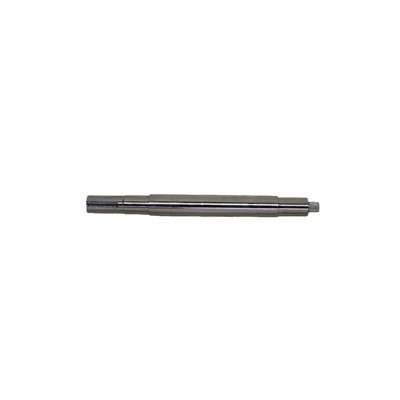
As a seasoned supplier of motor shafts, I’ve witnessed firsthand the critical role that proper lubrication plays in the performance and longevity of these essential components. In this blog post, I’ll share my insights on how to lubricate a motor shaft effectively, drawing on my years of experience in the industry. Motor Shaft
Understanding the Importance of Lubrication
Before delving into the lubrication process, it’s crucial to understand why lubrication is so important for motor shafts. Motor shafts are subjected to high levels of friction and wear during operation, which can lead to premature failure if not properly lubricated. Lubrication helps to reduce friction, dissipate heat, and prevent corrosion, ensuring that the motor shaft operates smoothly and efficiently.
Selecting the Right Lubricant
The first step in lubricating a motor shaft is to select the right lubricant. There are several factors to consider when choosing a lubricant, including the type of motor, the operating conditions, and the manufacturer’s recommendations. Here are some common types of lubricants used for motor shafts:
- Mineral Oil: Mineral oil is a popular choice for motor shafts due to its low cost and good lubricating properties. It is suitable for most general-purpose applications and can provide adequate protection against friction and wear.
- Synthetic Oil: Synthetic oil offers superior performance compared to mineral oil, with better resistance to high temperatures, oxidation, and wear. It is often used in high-performance motors or applications where extreme conditions are present.
- Grease: Grease is a thick, semi-solid lubricant that is commonly used for motor shafts. It provides excellent adhesion and can withstand high loads and speeds. Grease is also less likely to leak or drip, making it a good choice for applications where cleanliness is important.
Preparing the Motor Shaft for Lubrication
Before applying lubricant to the motor shaft, it’s important to prepare the surface properly. This involves cleaning the shaft to remove any dirt, debris, or old lubricant that may be present. Here are the steps to follow:
- Disconnect the Power: Before working on the motor, make sure to disconnect the power supply to prevent any electrical hazards.
- Remove the Motor Cover: Remove the motor cover to access the motor shaft. This may require the use of a screwdriver or other tools.
- Clean the Shaft: Use a clean cloth or brush to remove any dirt, debris, or old lubricant from the motor shaft. You can also use a mild solvent or degreaser to clean the shaft, but make sure to rinse it thoroughly with water and dry it completely before applying lubricant.
- Inspect the Shaft: While cleaning the shaft, inspect it for any signs of damage or wear. If you notice any cracks, dents, or other defects, it may be necessary to replace the motor shaft.
Applying the Lubricant
Once the motor shaft is clean and dry, it’s time to apply the lubricant. The method of application will depend on the type of lubricant you are using. Here are some common methods:
- Oil Bath: If you are using mineral oil or synthetic oil, you can use an oil bath to lubricate the motor shaft. This involves filling a container with the lubricant and immersing the motor shaft in the oil. Make sure to allow the shaft to soak in the oil for a few minutes to ensure that it is fully coated.
- Grease Gun: If you are using grease, you can use a grease gun to apply the lubricant to the motor shaft. Insert the grease gun into the grease fitting on the motor and pump the handle to dispense the grease. Make sure to apply the grease evenly around the shaft.
- Brush or Spray: You can also use a brush or spray to apply the lubricant to the motor shaft. This method is suitable for small areas or hard-to-reach places. Make sure to apply the lubricant evenly and avoid over-applying.
Maintaining the Lubrication

Once you have lubricated the motor shaft, it’s important to maintain the lubrication to ensure that it continues to perform effectively. Here are some tips for maintaining the lubrication:
- Check the Lubricant Level: Regularly check the lubricant level in the motor to ensure that it is at the appropriate level. If the lubricant level is low, add more lubricant as needed.
- Replace the Lubricant: Over time, the lubricant will break down and lose its effectiveness. It’s important to replace the lubricant at regular intervals to ensure that the motor shaft is properly lubricated.
- Monitor the Motor Performance: Keep an eye on the motor performance to detect any signs of problems. If you notice any unusual noises, vibrations, or other issues, it may be a sign that the motor shaft is not properly lubricated.
Conclusion
Valve Shaft Proper lubrication is essential for the performance and longevity of motor shafts. By selecting the right lubricant, preparing the shaft properly, applying the lubricant correctly, and maintaining the lubrication, you can ensure that your motor shaft operates smoothly and efficiently. If you have any questions or need further assistance with lubricating your motor shaft, please don’t hesitate to contact us. We are a leading supplier of motor shafts and can provide you with the expertise and support you need to keep your motors running smoothly.
References
- "Motor Shaft Lubrication: A Guide to Best Practices." Industrial Lubrication and Tribology, vol. 70, no. 3, 2018, pp. 244-250.
- "Lubrication of Electric Motors." IEEE Transactions on Industry Applications, vol. 45, no. 2, 2009, pp. 613-620.
- "The Importance of Lubrication in Motor Shafts." Machinery Lubrication, accessed 10 June 2023.
Ningbo Uni-drive Technology Co., Ltd.
Ningbo Uni-drive Technology Co., Ltd. is one of the most professional motor shaft manufacturers and suppliers in China. Please feel free to buy cheap motor shaft made in China here and get pricelist from our factory. All customized products are with high quality and competitive price.
Address: Industrial Site No. 6, Jingtou Village, Sanqi Town, Yuyao City, Zhejiang Province
E-mail: admin@uni-drive.com.cn
WebSite: https://www.motordriveshaft.com/
