As a supplier of Aluminium Solid Panels, I’ve witnessed firsthand the growing interest in these versatile building materials. One of the most frequently asked questions is about their impact resistance. In this blog, I’ll delve into the factors that determine the impact resistance of Aluminium Solid Panels, their real – world applications, and why they are a smart choice for various projects. Aluminium Solid Panel
Understanding the Basics of Aluminium Solid Panels
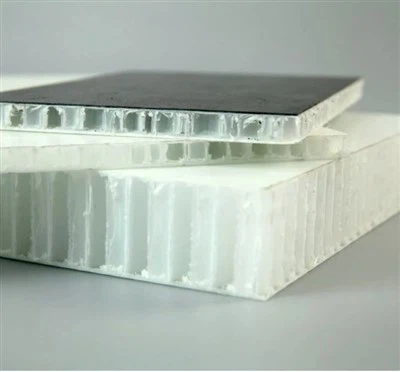
Aluminium Solid Panels are made from high – grade aluminium alloy sheets. They are known for their lightweight yet robust nature, making them suitable for a wide range of applications, from exterior cladding of commercial buildings to interior decoration. The panels are typically composed of a solid aluminium core sandwiched between two thin aluminium skins, which are bonded together using advanced manufacturing techniques.
Factors Affecting Impact Resistance
Aluminium Grade
The grade of aluminium used in the panel plays a crucial role in determining its impact resistance. Higher – grade aluminium alloys, such as 3000 and 5000 series, offer better strength and durability. These alloys contain elements like manganese and magnesium, which enhance the mechanical properties of the aluminium. For example, the 5000 series aluminium is known for its excellent corrosion resistance and high strength – to – weight ratio, making it more resistant to impacts compared to lower – grade alloys.
Panel Thickness
The thickness of the Aluminium Solid Panel is another significant factor. Thicker panels generally have better impact resistance. A thicker panel can absorb more energy when subjected to an impact, reducing the likelihood of damage. For instance, a 4mm thick Aluminium Solid Panel will be more resistant to impacts than a 2mm thick panel. However, it’s important to note that increasing the thickness also increases the weight of the panel, which may have implications for installation and structural requirements.
Surface Treatment
The surface treatment of the panel can also affect its impact resistance. A well – applied protective coating can act as a buffer against impacts. For example, a powder – coated surface not only provides an aesthetically pleasing finish but also adds a layer of protection. The powder coating can resist scratches and minor impacts, preventing the underlying aluminium from being damaged. Anodizing is another popular surface treatment method that enhances the panel’s durability and resistance to wear and tear, including impacts.
Testing the Impact Resistance
To ensure the quality and impact resistance of our Aluminium Solid Panels, we conduct a series of rigorous tests. One of the most common tests is the pendulum impact test. In this test, a pendulum with a specified mass and swing radius is released to strike the panel. The panel’s ability to withstand the impact without cracking, denting, or delaminating is then evaluated.
Another test is the ball drop test. A steel ball of a certain diameter and weight is dropped from a specific height onto the panel. The panel’s response to the impact is carefully observed. If the panel shows only minor dents or no visible damage, it is considered to have good impact resistance.
Real – World Applications and the Importance of Impact Resistance
Exterior Cladding
In the construction of commercial buildings, Aluminium Solid Panels are widely used for exterior cladding. These panels are exposed to various environmental factors, including wind – blown debris, hailstorms, and accidental impacts during maintenance or construction activities. High impact resistance is essential to ensure the long – term integrity of the building’s facade. For example, in areas prone to severe weather conditions, such as hurricanes or hailstorms, panels with excellent impact resistance can prevent damage to the building’s exterior, reducing repair costs and ensuring the safety of the occupants.
Interior Decoration
In interior applications, such as wall partitions and ceiling panels, impact resistance is also important. In high – traffic areas like shopping malls, airports, and hospitals, the panels may be subjected to accidental bumps and knocks. A panel with good impact resistance will maintain its appearance and functionality over time, reducing the need for frequent replacements.
Transportation
Aluminium Solid Panels are also used in the transportation industry, for example, in the construction of train carriages and aircraft interiors. In these applications, the panels need to withstand vibrations, impacts during movement, and potential collisions. High impact resistance ensures the safety and durability of the transportation vehicles.
Advantages of Aluminium Solid Panels in Terms of Impact Resistance
Lightweight yet Strong
Compared to other building materials like steel or concrete, Aluminium Solid Panels are much lighter. This makes them easier to handle and install. However, they still offer significant strength and impact resistance. Their high strength – to – weight ratio makes them an ideal choice for applications where weight is a concern, such as in high – rise buildings or transportation vehicles.
Corrosion Resistance
Aluminium has a natural oxide layer that provides excellent corrosion resistance. This means that even if the panel is subjected to impacts that may damage the surface, it is less likely to corrode over time. Corrosion can weaken the panel and reduce its impact resistance, so the corrosion – resistant property of aluminium is a major advantage.
Design Flexibility
Aluminium Solid Panels can be easily fabricated into various shapes and sizes. This allows architects and designers to create unique and innovative designs. The panels can also be finished in a wide range of colors and textures, providing aesthetic appeal while maintaining high impact resistance.
Why Choose Our Aluminium Solid Panels
As a supplier, we are committed to providing high – quality Aluminium Solid Panels with excellent impact resistance. We use only the highest – grade aluminium alloys and state – of – the – art manufacturing processes. Our panels are tested rigorously to ensure they meet or exceed industry standards.
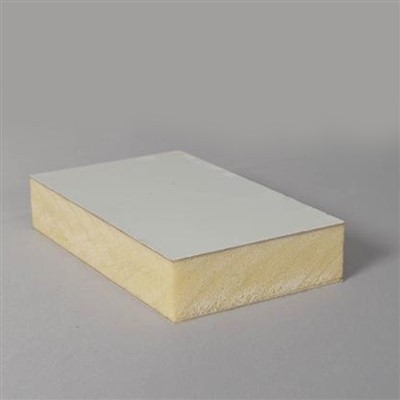
We also offer a wide range of customization options. Whether you need a specific panel thickness, surface treatment, or color, we can work with you to meet your requirements. Our experienced team is always ready to provide technical support and advice on the best panel selection for your project.
Aluminum Panel If you are in the market for Aluminium Solid Panels with superior impact resistance, we invite you to contact us for a procurement discussion. We are confident that our panels will meet your needs and expectations, and we look forward to working with you on your next project.
References
- "Aluminium Alloys: Properties and Applications" by John Davis
- "Building Materials: A Guide to Selection and Use" by Sarah Thompson
- Industry standards and guidelines for Aluminium Solid Panels issued by relevant construction and manufacturing associations.
Zhejiang Jusen Building Materials Technology Co., Ltd.
We’re well-known as one of the leading aluminium solid panel manufacturers and suppliers in China, also support custom service. Please feel free to wholesale high quality aluminium solid panel made in China here from our factory. For more information, contact us now.
Address: No.7, Tongyuan Shiquan Industrial Park, Haiyan County, Jiaxing City, Zhejiang Province
E-mail: sales@jusenzj.com
WebSite: https://www.honeycomb-js.com/
