As a supplier of color vinyl film, I often encounter various questions from our customers regarding the properties and applications of our products. One particularly intriguing question that has come up more than once is whether color vinyl film affects the electrical conductivity of a surface. This is a topic that combines the aesthetic allure of our vibrant vinyl films with the technical realm of electrical engineering, and I’m excited to delve into it in this blog post. Color Vinyl Film

Understanding Color Vinyl Film
Before we can explore the relationship between color vinyl film and electrical conductivity, it’s essential to understand what color vinyl film is. Color vinyl film is a versatile material made primarily from polyvinyl chloride (PVC). It comes in a wide range of colors, textures, and finishes, making it a popular choice for various applications, including automotive wrapping, interior decoration, signage, and more.
The manufacturing process of color vinyl film involves adding pigments to the PVC base to achieve the desired color. These pigments can be organic or inorganic compounds, and they are carefully selected to ensure long – lasting color and durability. Additionally, the film may have additives such as UV stabilizers, plasticizers, and anti – scratch agents to enhance its performance in different environments.
Electrical Conductivity Basics
Electrical conductivity is the measure of a material’s ability to conduct an electric current. It is determined by the presence of free electrons or ions within the material that can move freely in response to an electric field. Materials with high electrical conductivity, such as metals, have a large number of free electrons, while insulators have very few free electrons and thus have low electrical conductivity.
The unit of electrical conductivity is siemens per meter (S/m). Conductors typically have conductivities in the range of 10^4 to 10^8 S/m, while insulators have conductivities below 10^ – 8 S/m. Semiconductors fall in between these two ranges, with conductivities that can be controlled and adjusted.
How Color Vinyl Film Interacts with Electrical Conductivity
In most cases, color vinyl film is an insulator. The PVC base of the film has a very low number of free electrons, which means it does not allow electric current to flow through it easily. The pigments and additives used in the film also do not significantly change its insulating properties.
When a color vinyl film is applied to a surface, it acts as a barrier between the surface and the external environment. If the surface is conductive, such as a metal surface, the vinyl film will prevent direct contact between the metal and other conductive materials, reducing the likelihood of electrical short – circuits or interference.
However, there are some special cases where color vinyl film can have an impact on electrical conductivity. For example, if the film is infused with conductive particles, such as carbon nanotubes or metallic powders, it can become a semi – conductive material. These conductive particles create pathways for electrons to move, allowing the film to conduct electricity to some extent.
Another factor to consider is the presence of static electricity. Color vinyl film can accumulate static charges due to friction during handling or application. These static charges can potentially affect the electrical performance of nearby electronic components or cause electrostatic discharge (ESD), which can damage sensitive electronic devices. To mitigate this issue, anti – static additives can be incorporated into the film during manufacturing.
Testing the Impact on Electrical Conductivity
To determine whether a color vinyl film affects the electrical conductivity of a surface, several tests can be conducted. One common method is to measure the surface resistance of the film before and after application using a high – resistance meter. A significant change in surface resistance would indicate an impact on electrical conductivity.
Another approach is to perform electrical continuity tests. This involves applying a voltage across the surface with and without the vinyl film and measuring the current flow. If the film significantly reduces or blocks the current flow, it is acting as an insulator.
In a laboratory setting, more sophisticated tests can be carried out, such as using a four – point probe method to measure the bulk conductivity of the film and the surface it is applied to. This method provides a more accurate measurement of electrical conductivity by eliminating the effects of contact resistance.
Applications and Considerations
In applications where electrical conductivity is a critical factor, such as in electronics manufacturing or some industrial processes, the choice of color vinyl film needs to be carefully considered. For example, in the production of printed circuit boards (PCBs), a non – conductive vinyl film can be used as a protective layer to prevent short – circuits and contamination.
On the other hand, in some applications where static dissipation is required, such as in cleanrooms or environments with sensitive electronic equipment, anti – static color vinyl film should be used. These films can dissipate static charges safely, reducing the risk of ESD damage.
For automotive applications, color vinyl film is primarily used for aesthetic purposes. However, it’s important to note that if the film accumulates static charges, it can attract dust and dirt, which may affect its appearance over time. Using anti – static automotive vinyl film can help maintain a clean and attractive look.
Conclusion
In conclusion, under normal circumstances, color vinyl film acts as an insulator and does not significantly affect the electrical conductivity of a surface. Its PVC base and the common pigments and additives used in manufacturing contribute to its insulating properties. However, with the addition of conductive particles, color vinyl film can become semi – conductive.
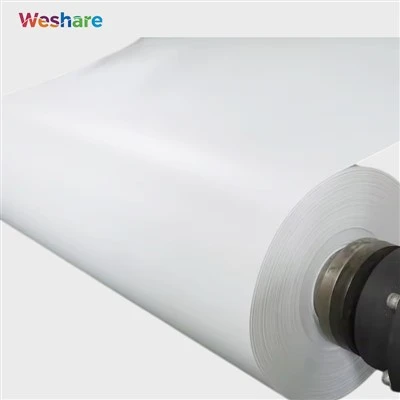
When considering the use of color vinyl film in applications where electrical conductivity is a concern, it’s crucial to understand the specific requirements and conduct appropriate tests. As a color vinyl film supplier, we offer a wide range of products, including anti – static and semi – conductive options, to meet the diverse needs of our customers.
IML If you have any projects or applications where color vinyl film is involved, and you need to consider its impact on electrical conductivity, we are here to help. Our team of experts can provide you with detailed technical information and assist you in selecting the most suitable product for your needs. Whether you are an automotive enthusiast looking to give your vehicle a new look, an interior designer planning a creative project, or an industrial manufacturer with specific requirements, we are ready to support you. Contact us to start a conversation about your procurement needs and let us work together to find the perfect color vinyl film solution for you.
References
- "Polyvinyl Chloride (PVC) Handbook" by Friedrich H. Winslow
- "Electrical Properties of Materials" by J.M. Ziman
- "Static Electricity Handbook" by N. Ida
Hangzhou Weshare Import & Export Co., Ltd.
As one of the most professional color vinyl film manufacturers and suppliers in China, we’re featured by quality products and good service. Please rest assured to wholesale customized color vinyl film made in China here from our factory. Contact us for free sample.
Address: Room B-308, XingShang Development Building, No.1243 MoGanShan Rd, HangZhou, China
E-mail: grace@weshare-china.com
WebSite: https://www.weshareprint.com/
