Hey everyone, and thanks for hanging out. I’m Jake, part of the team at a mid-sized automotive lubricant supplier, and over the last 8 years, I’ve talked to hundreds of mechanics and do-it-yourselfers (DIYers) who are totally lost when it comes to picking the right oil for their car. The question I get more than any other? “How old does my vehicle change what oil I should use?” Automotive Lubricant
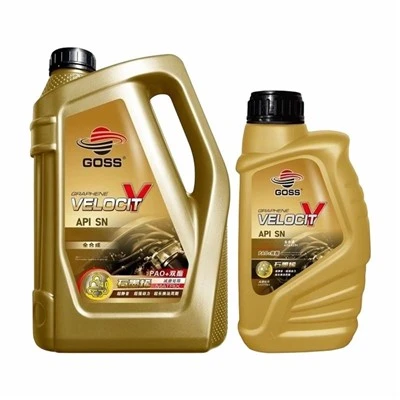
It’s not a trick question, but you’d be shocked how many people just grab whatever’s on sale at the auto parts store or slap in the same synthetic blend they used when their car was new—no clue that a 10-year-old pickup isn’t the same as that 2-year-old sedan when it comes to lubricants. Let’s break this down like we’re shooting the breeze in a shop parking lot, no fancy jargon, just actual stuff that matters for your engine.
First, let’s start with the basics: why does age even matter? Your car’s engine isn’t a static piece of metal. Every mile, every heat cycle, every stop and go wears it down. New engines are tight, precise—like a brand-new pair of jeans that haven’t been broken in yet. Old engines are looser, with tiny gaps between parts that get bigger over time, seals that have gotten brittle, and gunk buildup that’s silently doing damage. Lubricants don’t just “lubricate”—they cool, clean, seal, and prevent corrosion. So if your oil doesn’t match what your engine needs right now, you’re either wasting money on stuff that doesn’t work, or setting yourself up for a breakdown you could’ve avoided.
Let’s split this into three clear categories: new vehicles (0–5 years), mature vehicles (6–15 years), and high-mileage vehicles (16+ years). That’s a rough guide, not a hard rule—some cars hit 100k miles at 5 years, others take 15. But it works for most folks.
First up: New vehicles, 0 to 5 years old. You bought this car, truck, or SUV because it’s under warranty, right? The manufacturer spent millions of years testing this engine, and they specifically designed it for a certain oil. Most new cars these days call for full synthetic oil—think 0W-20, 5W-30, that stuff. Why? New engines have super tight clearances. The thin, high-quality synthetic oil flows easier in cold weather, gets to parts faster on that first cranking (which is when 70% of engine wear happens, by the way), and the additives are designed to handle the tight spaces without getting too thick. Also, new catalytic converters and particulate filters (those things that clean exhaust) are super sensitive. Regular conventional oil has more contaminants that can clog those filters and kill the warranty. I’ve seen too many people skip the synthetic to save $10, then get a $3,000 warranty denial when their cat dies. Not worth it.
Wait, but what if you have an old 2018 pickup that you’ve only put 20k miles on? Does that still count as new? Yeah, basically. The engine hasn’t had time to wear in or build up gunk. Stick with what the manual says—most manufacturers for late-model pickups with big engines (like 5.0L V8s) still recommend 5W-30 full synthetic for the first 100k miles, even if you tow a little. The key here is “break-in period.” The first 50k miles are when the engine’s parts are settling, so using the oil the factory suggests is non-negotiable. Pro tip: don’t change your oil too early, either. The manual says 7,500 miles? Don’t do 3,000 just because your dad told you to. Modern synthetics are way better than they used to be.
Next: Mature vehicles, 6 to 15 years old. This is where a lot of people start getting it wrong. Your car’s no longer under warranty, it’s got 60k to 150k miles, and you notice it burns a little oil between changes, or it idles a little rougher in the morning. Why’s that? As engines age, the piston rings, valve seals, and bearings wear. Those clearances we talked about earlier? They’ve gotten bigger. If you keep using that thin 0W-20 oil, it’s gonna seep past those worn rings and seals, and burn up. You’ll end up adding a quart every 500 miles, and that’s not cheap. So for mature vehicles, you need a slightly thicker oil—usually 5W-30 or 10W-30, depending on your manual. That extra viscosity helps fill in the gaps between worn parts, reduces oil burn, and still flows enough to get to the engine on cold starts.
But here’s another thing that comes with age: gunk. Older engines that ran on conventional oil for years get a buildup of sludge and deposits in the crankcase and on the pistons. Thin synthetic oil (especially low-viscosity stuff) can flush out that sludge too fast, causing it to clog oil passages. That’s a big no-no. For mature engines, we recommend a lubricant with good detergent additives that break down gunk slowly, not aggressively. Avoid high-mileage oil yet—most of the time, you don’t need that until you hit 150k miles. I had a customer last year with a 2012 Honda Accord that had 90k miles, he switched to high-mileage oil too early, and it made his oil pressure drop. Turned out the extra seal conditioners in high-mileage oil were plugging the pick-up screen. Lesson: don’t jump to high-mileage just because your car’s a few years old. Stick to the manual’s viscosity first, then adjust based on wear.
Also, for mature vehicles that you use for work—like a 2010 Ford F-150 that you tow a 5th wheel every weekend—you might want to go a step up to a heavy-duty synthetic blend. Those have extra anti-wear additives for high load, and they handle heat way better than conventional. I’ve seen tow vehicles last 200k miles just because they used the right oil for their age and use.
Now the big one: High-mileage vehicles, 16+ years and 150k+ miles. These are the veterans, the ones that have put in the work. My neighbor has a 1998 Toyota Camry with 280k miles on it—still runs like a top, and he swears by high-mileage oil. Why? By this point, seals are hard and brittle, piston rings are worn, and even small gaps in the engine can cause oil leaks and burn. High-mileage oils aren’t just a marketing gimmick, I swear. They have specific additives: seal conditioners that soften and swell those brittle rubber seals, stop oil leaks from valve covers and the rear main seal, and anti-wear agents that are extra concentrated to protect worn parts. Also, the viscosity might go up again—some high-mileage engines need 10W-40 oil, especially if you live in a hot climate or tow anything.
But wait, I need to warn you about the flip side here. If you’ve been using regular oil your whole life on a high-mileage engine, don’t suddenly switch to a super high-viscosity oil. Let’s take that 280k Camry example: my neighbor used 5W-30 conventional for 200k miles, then he decided to go straight to 15W-40 heavy duty. The next week, his oil pressure gauge dropped to zero. Turns out, all the gunk that was keeping the worn clearances sealed was washed away by the thick oil, and oil started leaking through the gaps. The right move for him? Gradually work up: go to 10W-30 synthetic blend first, then after a couple changes, switch to a 10W-40 high-mileage oil. Slow and steady, not a hard turn. That way, you don’t disturb the existing gunk buildup that’s actually protecting your engine.
Also, climate plays a role here, even for age. If you live in Minnesota where winters are -20°F, even a 10-year-old vehicle still needs an oil that flows cold. You don’t want to go to a 20W-50 oil in winter just because your car’s old—you’ll be cranking your engine for 10 seconds before oil gets to the parts, and that’s way worse for wear. Match the viscosity to the temperature, then adjust for age and mileage.
Let’s talk about some common myths I hear all the time. Myth #1: “Older cars need conventional oil, synthetic is too slippery.” No way. Synthetic oil is more stable, resists breaking down from heat better than conventional, even in old engines. The problem isn’t the synthetic, it’s the viscosity. A good synthetic high-mileage oil has the right thickness for worn engines, plus the additives to protect seals. Myth #2: “You should switch to high-mileage oil at 100k miles.” Nope, 100k is the average point where engines start to wear, but some are tighter. Check your owner’s manual, and if you notice oil burn, rough idles, or leaks, then switch, don’t just switch on a timeline. Myth #3: “More expensive oil is always better.” Not necessarily. If your new car calls for 0W-20, don’t buy a $200 a liter racing oil that’s way too thick. Stick to the specifications, and a good mid-grade lubricant from a reputable supplier will do the job just as well as the name brands, for half the price.
Now, what about the type of driving you do? That’s tied right into age, too. If you have a 12-year-old SUV and you only drive it to the grocery store and church, stop and go all the time, that’s way harder on the engine than if you use it for long highway drives. Stop and go means the engine never fully gets up to operating temperature, so moisture builds up in the oil, causing corrosion. For those engines, you need an oil with extra anti-corrosion and detergent additives to break down that moisture. If you use your old vehicle for highway hauling, you’re dealing with high heat and high load, so oil with extra anti-wear and oxidation resistance is key.
I can’t tell you how many people come to our shop asking for help because they picked the wrong oil for their car’s age. Last month, a guy brought in a 2008 Dodge Ram with 180k miles, said he was losing oil pressure. Turns out, he’d been using 0W-20 synthetic blend (the same oil he used for his 2015 Corvette) because it was on sale. His engine had 0.005 inch of piston ring clearance, which was way more than the 0.002 for a new Ram, so the thin oil seeped past the rings, and oil pressure dropped. We switched him to 10W-30 high-mileage synthetic, and his pressure went back up after the first change. Cost him nothing extra, just saved his engine.
Another example: a 2017 Honda Civic, 40k miles, the owner used conventional oil because it was cheaper. At his 60k mile service, the mechanic found sludge buildup on the pistons. Conventional oil breaks down faster than synthetic, so it left deposits even on a low-mile engine. We switched him to 0W-20 full synthetic, and he hasn’t had issues since. Moral of the story: age and mileage matter, but so does driving style and the oil type.
If you’re confused right now, here’s a quick cheat sheet for your vehicle:
- 0–5 years (under 60k miles): Follow manufacturer specs, usually full synthetic 0W-20 or 5W-30. Don’t skip synthetic.
- 6–15 years (60k–150k miles): Check for oil burn, leaks, or rough idles. If yes, go to 5W-30 or 10W-30 synthetic blend or synthetic. If no, stick to factory specs, maybe slightly thicker viscosity if you tow a lot.
- 16+ years (150k+ miles): Gradually switch to high-mileage synthetic oil, adjust viscosity based on climate and wear (10W-30 or 10W-40). Don’t jump too fast.
Now, if you’re still scratching your head about what’s right for your specific car, truck, or SUV, feel free to reach out to our team for a no-hassle chat. We don’t do pushy sales, we just know lubricants, and we can help you pick the right stuff to keep your engine running for years, no matter how old it is. Don’t let a wrong oil choice turn a great old vehicle into a headache—get it right the first time.
Gasoline Engine Oil References
Society of Automotive Engineers (SAE) Standard J300: Viscosity Classification of Engine Oils
American Petroleum Institute (API) Service Categories for Automotive Lubricants
Automotive Lubricants, 5th Edition, by Leslie R. Rudnick and Ronald L. Shubkin
Friction Wear and Tribology, 3rd Edition, by K. C. Ludema
MoGen Lubricating Oils
With abundant experience, we are one of the most professional automotive lubricant manufacturers and suppliers in China. We warmly welcome you to wholesale custom made automotive lubricant from our factory. If you have any enquiry about cooperation, please feel free to email us.
Address: No.8003 Chewang Rd, Economic Development Zone Of Jinan, Shandong Province, China 250301
E-mail: sales@mogenoils.com
WebSite: https://www.mogen-oil.com/
