If you’ve ever walked past a modern office tower, a boutique retail space, or even a sleek residential high-rise, chances are you’ve stared up at a glass curtain wall—those continuous, frameless or minimally framed glass panels that wrap a building like a second skin. For 12 years, I’ve owned and operated a building curtain wall supply company, and for most of those years, I’ve sold these systems as the future of architectural design. We’ve installed them on projects in downtown urban cores, suburban mixed-use districts, and even a few coastal locations, and I’ve seen firsthand how they can transform a ho-hum structure into a landmark. But lately, as I’ve fielded more questions from architects, general contractors, and even building owners who are second-guessing their choice of glass curtain walls, I’ve realized it’s time to talk openly about the drawbacks that don’t make the glossy marketing brochures. This isn’t a hit piece on glass curtain walls—they still have an important place in modern design—but ignoring their flaws does a disservice to anyone planning a construction project. Today, I want to break down the real, often underdiscussed disadvantages of glass curtain walls, from energy costs to structural vulnerabilities, rooted in the experiences I’ve had on job sites and with our clients over the past decade. Building Curtain Wall
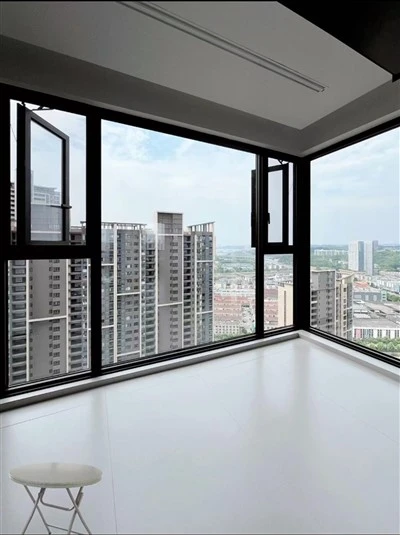
Let’s start with the big one: energy inefficiency, particularly for heating and cooling. When I first started in this business, the push for glass curtain walls was tied to claims that they would create “daylight-rich” spaces, reducing the need for artificial lighting and boosting employee productivity. That part is true, but the tradeoff is massive heat transfer. A standard single-pane glass curtain wall—still common on many mid-range projects—transfers way more heat than traditional wall assemblies with insulation, concrete, or brick. In the summer, the sun’s radiant heat passes straight through the glass, turning interior spaces into saunas and forcing HVAC systems to work overtime. We had a client last year with a 10-story office building in Phoenix, Arizona, who had installed single-pane glass curtain walls just five years prior. Their utility bills for cooling jumped 40% in peak summer months, and they ended up having to retrofit their entire system with low-emissivity (low-e) glass and sun shades—at a cost that was nearly a quarter of the original curtain wall installation. Winter is just as bad, especially in cold climates. Glass doesn’t retain heat, so in a building with a poorly insulated curtain wall, the interior loses heat rapidly. I remember a project in Chicago a few years ago, where a small retail space on the ground floor with a glass curtain wall was so cold in January that employees had to wear winter coats inside for three months before they upgraded to double-pane insulated units. Even the high-performance glass that’s billed as energy-efficient isn’t a silver bullet. Double-pane low-e glass reduces heat transfer, but it’s still not as good as a well-insulated insulated metal panel (IMP) wall, according to data from the American Society of Heating, Refrigerating and Air-Conditioning Engineers (ASHRAE). For buildings in extreme temperature zones, the added cost of high-performance glass and supplementary HVAC can erase much of the design appeal of a curtain wall.
Next up: structural and maintenance challenges, especially over time. A glass curtain wall isn’t just a bunch of glass panels bolted to the outside of a building—it’s a complex system of aluminum or steel framing, sealants, gaskets, and fasteners that work together to hold the glass in place, keep out water and air, and withstand wind loads. But all those components have a lifespan, and they’re exposed to the elements 24/7. I’ve seen curtain wall sealants fail as early as 10 years after installation, way before their advertised 20-year lifespan. When sealants crack or peel, water leaks into the building. We had a multi-family residential project in Miami that had to be evacuated for three days in 2021 after heavy rain caused water to seep through failed sealants in the upper curtain wall, damaging drywall, flooring, and electrical wiring. Fixing that issue required removing entire sections of the glass panels, replacing the sealants, and testing for water infiltration—costing the developer over $1.2 million. Even the structural framing has issues. Aluminum, which is the most common material for curtain wall framing, can corrode over time, especially in coastal areas with salt air, or industrial areas with high levels of pollution. Last year, we inspected a 15-year-old hotel curtain wall in Charleston, South Carolina, and found that the aluminum framing had corroded so badly in areas exposed to salt spray that we had to replace 30% of the horizontal mullions. That’s not just a cosmetic fix—it’s a structural one, because corroded mullions can no longer support the weight of the glass panels. Maintenance adds another layer of cost and hassle. Cleaning a glass curtain wall isn’t like washing a car. For mid-rise and high-rise buildings, you need specialized rope access teams or crane-mounted scaffolding, which is expensive and can only be done in good weather. We had a hospital client in New York City who spent $80,000 a year on curtain wall cleaning, and that’s not including repairs for broken or cracked glass. Even small debris can crack a glass panel—we had a project in Boston where a falling construction nail cracked a panel on the 12th floor, requiring a full replacement that cost $15,000 just for the glass, plus another $5,000 for labor and access. Compare that to a traditional brick or concrete wall, where small repairs are simple and cheap, and it’s easy to see why curtain walls can become a long-term liability.
Another often-overlooked disadvantage is glare and light pollution. Architects love glass curtain walls because they create bright, open interiors, but that light doesn’t stay inside. I’ve spoken to residents living in buildings adjacent to glass curtain wall towers in San Francisco, who complain about morning sun glare streaming into their bedrooms at 6 a.m., making it impossible to sleep. Glare is also a problem for people inside the building. Employees in offices with floor-to-ceiling glass often have to draw blinds or install interior sun shades to avoid glare on computer screens, which negates some of the daylight benefits and means they’re back working under artificial light anyway. We had a tech startup client in Austin who initially refused to install interior shades in their new curtain wall office, but after three months, 80% of their staff requested shades, because glare was causing eye strain and reduced productivity. The exterior light pollution is even more of an issue for urban areas. A 2022 study by the International Dark-Sky Association found that glass curtain walls are one of the biggest contributors to artificial light pollution in major cities, accounting for 15% of nighttime sky glow in downtown areas. That’s not just an eyesore—it disrupts wildlife, especially migratory birds. Millions of birds die every year in North America after colliding with glass buildings, and curtain walls are a major culprit because the glass reflects the sky and trees, making birds think they’re flying through open space. We worked on a project in Toronto a few years ago, where we had to install bird-friendly dot etchings on the lower 10 floors of the curtain wall after local bird conservation groups threatened legal action, adding $250,000 to the project cost.
Cost is, of course, a significant disadvantage, from initial installation to long-term operations. A glass curtain wall is one of the most expensive exterior building systems you can install. On average, a curtain wall costs between $70 and $120 per square foot, compared to $20 to $50 per square foot for a traditional brick or wood frame wall with siding. For a 10,000-square-foot building, that’s a difference of $500,000 to $1 million in upfront costs. And that’s just the base cost—add in high-performance glass, specialized framing, access for maintenance, and energy-efficient HVAC to offset heat transfer, and the total goes even higher. I’ve had clients come to us after getting bids for both curtain walls and traditional systems, and many of them are shocked by the gap. Even when you factor in energy savings, it can take 20 to 30 years to recoup the upfront cost difference, according to a 2021 report from the National Institute of Building Sciences. For most building owners, that’s not a viable return on investment, especially if they plan to sell the building in 10 or 15 years. We had a client in Dallas who installed a glass curtain wall on a 5-story office building and tried to sell it after 10 years. Most buyers were deterred by the high utility costs and the upcoming need for sealant and framing repairs, so he ended up selling for $1.5 million less than he expected, just to get rid of the liability.
Wait, let’s not forget about fire safety, which is a critical, often underdiscussed risk with glass curtain walls. Glass is non-combustible, but it melts at high temperatures, and when a fire breaks out on one floor of a building with a glass curtain wall, the heat can cause the glass panels to crack or shatter, creating a gap that allows flames and smoke to spread vertically between floors. I remember the 2010 fire at a 20-story hotel in Dubai, where the glass curtain wall panels on multiple floors shattered within minutes of the fire starting, making it much harder for firefighters to contain the blaze and leading to extensive damage. Modern curtain walls are sometimes designed with fire-resistant glass, but that glass is more expensive, and it only works if the framing and sealants are also fire-rated. Many mid-range curtain wall projects use standard glass that doesn’t meet fire safety standards, putting occupants at risk. For buildings in areas with high fire risk—like dry, forested regions or dense urban areas with narrow streets—this is a serious concern that architects and building owners often overlook in favor of aesthetics.
Now, I want to be clear: this isn’t to say glass curtain walls are bad. We still supply them for projects where their benefits make sense—like a high-rise office building in a mild climate where daylight is a top priority, or a boutique retail space where the brand identity relies on a sleek, transparent facade. But as someone who’s been in this business for more than a decade, I think it’s irresponsible to promote them without addressing their flaws, especially to small business owners or developers on tight budgets who might not be aware of the long-term costs.
If you’re planning a construction project and considering a glass curtain wall, my advice is simple: do your due diligence. Don’t just look at the upfront cost of the glass and framing—ask for quotes on long-term maintenance, energy costs, and fire safety upgrades. Talk to other building owners who have curtain walls in your climate, and ask them about their experience with leaks, repairs, and utility bills. We can work with you to design a curtain wall that minimizes some of these drawbacks—like installing low-e glass with sun control coatings, choosing durable framing materials for coastal areas, or adding bird-friendly etchings to reduce collision risks. We’re not here to push a one-size-fits-all solution; we’re here to help you make the best choice for your project, budget, and long-term needs.
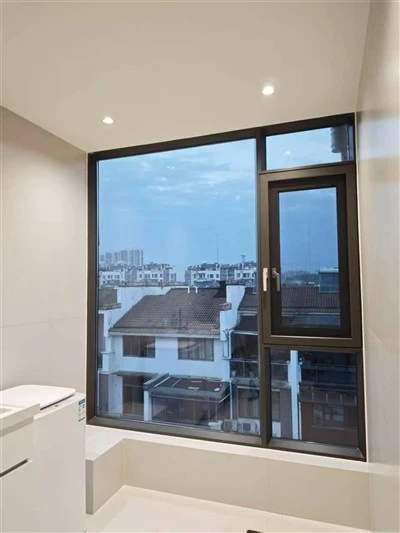
If you’re ready to talk through your options, or have questions about the pros and cons of different building envelope systems, don’t hesitate to reach out. We’re here to help you build something that’s both beautiful and functional, without the hidden costs that come with many glass curtain wall projects.
Aluminum Doors and Windows References
American Society of Heating, Refrigerating and Air-Conditioning Engineers (ASHRAE). (2020). Thermal Guidelines for Buildings.
International Dark-Sky Association. (2022). Glass Curtain Walls and Urban Light Pollution.
National Institute of Building Sciences. (2021). Cost-Benefit Analysis of Building Envelope Systems.
U.S. Fish and Wildlife Service. (2020). Bird Collisions with Glass Buildings: State of the Knowledge.
Huangshan City Anxin Decoration Company
We are one of the most reliable building curtain wall manufacturers and suppliers in China. With a professional production team, we are able to meet the needs of the majority of our customers. Please feel free to wholesale customized building curtain wall made in China here from our factory. Contact us for more details.
Address: Donglinxi Town,Xiuning County,Huangshan City,Anhui Province
E-mail: 1002501553@qq.com
WebSite: https://www.anxinfacade.com/
