If you’re working on a job site, in a fabrication shop, or even a maintenance bay, a hydraulic cutting tool that dies mid-task isn’t just an inconvenience—it can derail timelines, push back deliveries, and even create safety hazards. As a supplier of hydraulic cutting tools, I’ve spent years walking customers through troubleshooting these issues, and I’ve learned that most problems aren’t caused by broken tools themselves; they’re usually the result of small, avoidable oversights that anyone with a basic understanding of hydraulic systems can fix. In this post, I’ll break down the most common hydraulic cutting tool issues, step-by-step troubleshooting, and quick checks you can do before reaching out for support. Hydraulic Cutting Tools
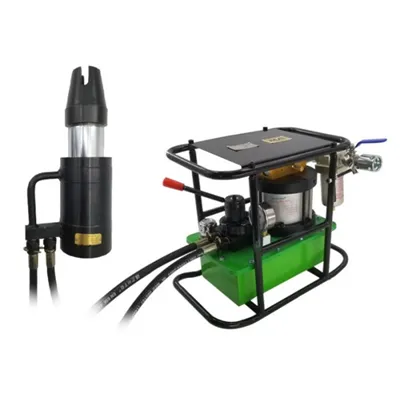
First, let’s set a quick baseline: hydraulic cutting tools rely on pressurized fluid (usually hydraulic oil) to generate the force needed to cut through metal, wire, or thick materials. A disruption in that pressure, flow, or fluid integrity is almost always the root cause of performance drops, failure to actuate, or even total breakdown. I see this happen all the time—customers assume a tool is defective when it’s just low on oil, a clogged filter, or a loose connection. Let’s start with the most frequent complaint: the tool won’t actuate at all, meaning when you pull the trigger or engage the pump, nothing happens.
If your tool is unresponsive, the first thing to check is the hydraulic fluid level in the reservoir. It sounds basic, but so many people skip this. Low fluid doesn’t just mean insufficient pressure—it can draw air into the system, which creates spongy, unresponsive operation. To check, park the tool on a flat, level surface (never on an incline, as that skews the level reading), locate the reservoir cap, wipe it clean to avoid pushing dirt into the fluid, and unscrew it to check the dipstick. If the level is below the “minimum” line, top it off with the recommended hydraulic oil—important: don’t use generic engine oil, as hydraulic oil is formulated to withstand high pressure and temperature swings, and using the wrong type can damage seals over time. If you do add oil, run the pump a few times to bleed any air that might have gotten in during the top-up. How do you bleed air? For manual pump tools, cycle the pump slowly 10-15 times; for electric or hydraulic-powered units, run the tool’s actuation function while slowly opening the air bleed valve (located near the pump housing, usually a small knurled screw) until a steady stream of oil comes out, then retighten the valve.
Next, check for clogged filters. Hydraulic systems rely on filters to catch debris like metal shavings, dust, or worn seal fragments that can damage pumps, valves, or the cutting head. A clogged restricts fluid flow, so even if the oil level is full, the tool won’t get enough pressure to cut. Most hydraulic cutting tools have two main filters: a suction filter near the reservoir pick-up tube and a pressure filter near the tool’s control valve. To clean or replace a suction filter, empty a small amount of fluid into a clean container (to avoid spilling), remove the filter housing cover, pull out the filter, and wipe it clean with a lint-free cloth (never use rags that leave fibers) or replace it if it’s heavily clogged. For pressure filters, which are usually smaller and more sensitive, replacement is often recommended every 500 operating hours or once a year, whichever comes first—check your tool’s manual for the exact interval. I always keep extra filters on hand for customers because a clogged filter is such an easy fix, and skipping it can lead to much costlier repairs down the line.
If the tool does actuate, but it cuts slowly, or the cut is uneven, the issue is likely pressure loss or internal leakage. Let’s start with pressure checks: most hydraulic cutting tools have a pressure gauge on the pump or tool housing (if yours doesn’t, a separate pressure tester is affordable and worth having for troubleshooting). First, compare the gauge reading to your tool’s specified operating pressure—this is printed on the tool’s nameplate or in the manual. If the pressure is 10% or more below the spec, check for loose or damaged hoses. Hydraulic hoses are under high pressure, so even a small leak (a pinhole, a loose clamp, or a cracked outer layer) can drain pressure. To check, run the tool at half actuation while inspecting all hoses and connections for signs of seeping oil. If you find a loose hose clamp, tighten it gently (don’t overtighten, as that can crack the hose fitting). If the hose is damaged, replace it immediately—never try to patch a hydraulic hose, as it can burst under pressure and cause injury.
Another common cause of slow cuts is worn seals. Over time, the seals inside the tool’s cylinder, valve, or cutting head can harden, crack, or wear down from repeated use, leading to internal leakage that reduces force. You might notice this if the tool feels hot during operation, or if the cut leaves jagged edges instead of a clean, straight line. To check for seal issues, disconnect the tool from the pump, engage the pump to build pressure, and watch for any seepage around the tool’s body or actuation rod. If you see fluid leaking from these areas, the seal will need to be replaced. As a supplier, we offer replacement seal kits for most of our hydraulic cutting tools—they’re easy to install with basic tools, and can save you the cost of a full tool replacement.
Now, let’s talk about safety-related issues, because hydraulic tools can be dangerous if not maintained. I’ve had customers come to me with tools that won’t retract after cutting, which can leave the blade stuck and create a hazard. The most common cause here is air entrapment in the return line, or a clogged return filter. To fix this, repeat the air bleeding process, but focus on the return line: open the return bleed valve (usually located on the cylinder end of the tool) while running the pump in the retraction direction, until the tool’s blade fully retracts. If that doesn’t work, check the return filter—sometimes debris builds up there and prevents the fluid from flowing back to the reservoir, trapping the blade.
Another safety red flag is a tool that vibrates excessively during operation. This can be caused by misaligned cutting blades, a worn drive mechanism, or even uneven pressure. First, inspect the cutting blades: if they’re dull or misaligned, they’ll bind during cutting, causing vibration. To adjust, loosen the blade mounting bolts, align the blades so they sit flush against each other, and tighten the bolts to the manufacturer’s specified torque (again, check your manual—over-tightening can warp the blades, while under-tightening makes them move). If the blades are more than 10% worn, replace them—dull blades force the tool to work harder, leading to vibration and premature wear on hydraulic components.
I can’t stress enough the importance of regular preventive maintenance, because most troubleshooting can be avoided with a consistent routine. I tell all my customers to do a quick check before every use: inspect hoses for cracks, check the fluid level, and run the tool through a full actuation cycle without load to make sure it moves smoothly. Every three months, or after 100 operating hours, clean the filters, inspect seals for wear, and lubricate any moving parts (like blade pivot points) with the recommended lubricant. This small effort can extend the life of your hydraulic cutting tool by years, and prevent unexpected breakdowns on the job.

If you’ve gone through all these steps and your tool is still having issues, it’s time to reach out to a reputable supplier. As someone who’s worked in hydraulic cutting tools for over a decade, I can tell you that skipping proper troubleshooting and jumping to part replacement or tool replacement is a mistake. Most issues are simple, and we can help walk you through them over a quick call. If you’re looking for a reliable hydraulic cutting tool, or need support troubleshooting an existing one, we’re here to help you find the right solution for your needs. Whether you’re a small fabrication shop or a large construction team, we can provide tools that are built to last, and the support to keep them working when you need them most.
Strand Puller References:
- Hydraulic Industry Association. (2022). Hydraulic System Troubleshooting Guide for Portable Power Tools. National Fluid Power Association.
- Smith, J. (2021). Maintenance Best Practices for Industrial Hydraulic Cutting Equipment. Journal of Industrial Fluid Power, 45(2), 18-24.
- Global Hydraulic Tools Association. (2023). Seal and Filter Replacement Intervals for Portable Hydraulic Cutting Tools. International Standards Organization.
Changzhou Truyou Mining Equipment Co., Ltd.
As one of the most professional breaching and cutting equipment manufacturers and suppliers in China, we have world-leading production equipment and strong manufacturing capabilities. Please rest assured to buy advanced breaching and cutting equipment made in China here from our factory. Customized orders are welcome.
Address: No. 186 Hongxi Road, Niutang Town, Wujin District, Changzhou City, Jiangsu Province
E-mail: info@truyoucoalmining.com
WebSite: https://www.truyoucoalmining.com/
