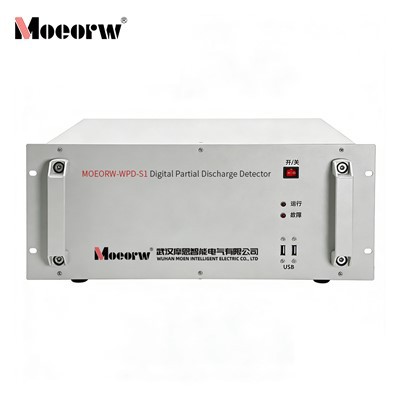
Hey there! I’m a supplier of electric energy test equipment, and today I’m gonna walk you through the installation and commissioning procedures for this kind of equipment. It’s super important to get these steps right to ensure that the equipment works properly and gives accurate results. Electric Energy Test Equipment
Installation Procedures
1. Site Preparation
First things first, we need to prepare the installation site. This means making sure the place is clean, dry, and well – ventilated. You don’t want to install the equipment in a dusty or damp area because that can mess up its performance. Also, check the floor to make sure it can support the weight of the equipment. If it’s a big piece of machinery, you might need to reinforce the floor.
We usually recommend measuring the space where the equipment will be installed. You need to make sure there’s enough room around it for easy access and maintenance. Leave at least a couple of feet of clearance on all sides.
2. Unpacking and Inspection
Once the equipment arrives at the site, carefully unpack it. Check for any visible damage during shipping. Look for dents, scratches, or loose parts. If you find any issues, make sure to document them and contact the shipping company right away.
Inspect all the components that come with the equipment. Make sure you have everything listed in the packing list. This includes cables, sensors, manuals, and any other accessories.
3. Mounting the Equipment
Now it’s time to mount the electric energy test equipment. Follow the manufacturer’s instructions carefully. Some equipment can be wall – mounted, while others need to be placed on a stable table or platform.
Use the appropriate tools for mounting. For example, if you’re wall – mounting, you’ll need a drill and the right type of screws. Make sure the equipment is level and securely attached. A wobbly installation can lead to inaccurate readings.
4. Wiring
Wiring is a crucial step. First, make sure you have the correct power supply for the equipment. Check the voltage and frequency requirements. Connect the power cable to the appropriate power source, and make sure it’s properly grounded.
Next, connect all the other cables, such as sensor cables and communication cables. Follow the wiring diagram provided in the manual. Double – check all the connections to make sure they’re tight and there are no loose wires. Loose connections can cause signal interference and affect the accuracy of the test results.
Commissioning Procedures
1. Initial Power – On
After the installation is complete, it’s time to power on the equipment. Before you do that, make sure all the switches are in the off position. Then, turn on the main power switch. Watch for any error messages or abnormal behavior on the display.
If there are any error messages, refer to the troubleshooting section of the manual. Sometimes, it could be something as simple as a loose cable or a misconfigured setting.
2. Self – Test
Most electric energy test equipment has a self – test function. Run this test to check if all the internal components are working properly. The self – test will usually check things like the sensors, the display, and the communication interfaces.
If the self – test fails, don’t panic. It could be due to a minor issue. Check the connections again and make sure all the settings are correct. If you’re still having problems, contact our technical support team.
3. Calibration
Calibration is a very important step in the commissioning process. The equipment needs to be calibrated to ensure accurate measurements. Use a known reference standard to calibrate the equipment.
Follow the calibration procedure in the manual. It usually involves adjusting some settings on the equipment to match the reference standard. Make sure to record all the calibration data, including the date, time, and the values obtained.
4. Functional Testing
Once the equipment is calibrated, it’s time for functional testing. This involves testing all the functions of the equipment. For example, if it’s a power analyzer, test its ability to measure voltage, current, power, and other electrical parameters.
Use different test loads to simulate real – world conditions. Make sure the equipment can handle different types of loads and still give accurate results. If you notice any issues during the functional testing, make a note of them and try to troubleshoot.
5. System Integration
If the electric energy test equipment is part of a larger system, you need to integrate it properly. This might involve connecting it to other devices, such as a data acquisition system or a control system.
Make sure the communication between the equipment and other devices is working correctly. Test the data transfer and make sure the information is being transmitted accurately.
Tips for a Smooth Installation and Commissioning
- Read the Manual: The manual is your best friend. It has all the information you need about installation, commissioning, and operation. Make sure to read it thoroughly before you start.
- Get Trained: If you’re not familiar with the equipment, it’s a good idea to get some training. Our company offers training programs for our customers. This will help you understand how to install and operate the equipment correctly.
- Keep Records: Keep detailed records of the installation and commissioning process. This includes the dates, times, any issues encountered, and the solutions. These records will be useful for future maintenance and troubleshooting.
Why Choose Our Electric Energy Test Equipment
Our electric energy test equipment is top – notch. We use the latest technology to ensure accurate and reliable measurements. Our products are also easy to install and operate. We have a great technical support team that can help you with any problems you might encounter during the installation and commissioning process.

If you’re in the market for electric energy test equipment, don’t hesitate to contact us. We can provide you with more information about our products, and we’re happy to discuss your specific needs. Whether you’re a small business or a large industrial facility, we have the right equipment for you. So, get in touch with us today, and let’s start a great partnership!
References
- Manufacturer’s Manuals for Electric Energy Test Equipment
- Industry Standards for Electric Energy Testing
Switch-gear Test Equipment So, that’s it for today’s blog. I hope this information is helpful to you. If you have any questions, feel free to reach out. Looking forward to hearing from you!
Wuhan Moen Intelligent Electric Co., Ltd.
As one of the most professional electric energy test equipment manufacturers in China, we’re featured by quality products and good price. Please rest assured to buy high quality electric energy test equipment in stock here and get quotation from our factory. Customized orders are welcome.
Address: Building A, No.1, Fenghuangyuan 2nd Road, Donghu New Technology Development Zone, Wuhan, Hubei, China
E-mail: info@hvhipotsystem.com
WebSite: https://www.hvhipotsystem.com/
