Hey everyone! If you’ve ever scrolled through furniture forums or chatted with a fellow DIY lover about reupholstering a couch, you’ve probably heard the question: “Wait, can twill woven fabric even work for upholstery?” As someone who’s spent the last 7 years selling twill fabrics (the good stuff, not the cheap scratchy stuff you grab at a big box store), I get why this question pops up all the time. A lot of people default to thinking upholstery needs those super thick, fancy velvet or heavy linen blends, but twill is way more versatile than most folks give it credit for. Today I’m breaking down exactly why twill for upholstery isn’t just possible—it’s often way better than the alternatives, especially if you’re not looking to drop a year’s rent on your new couch fabric. Twill Woven Fabric
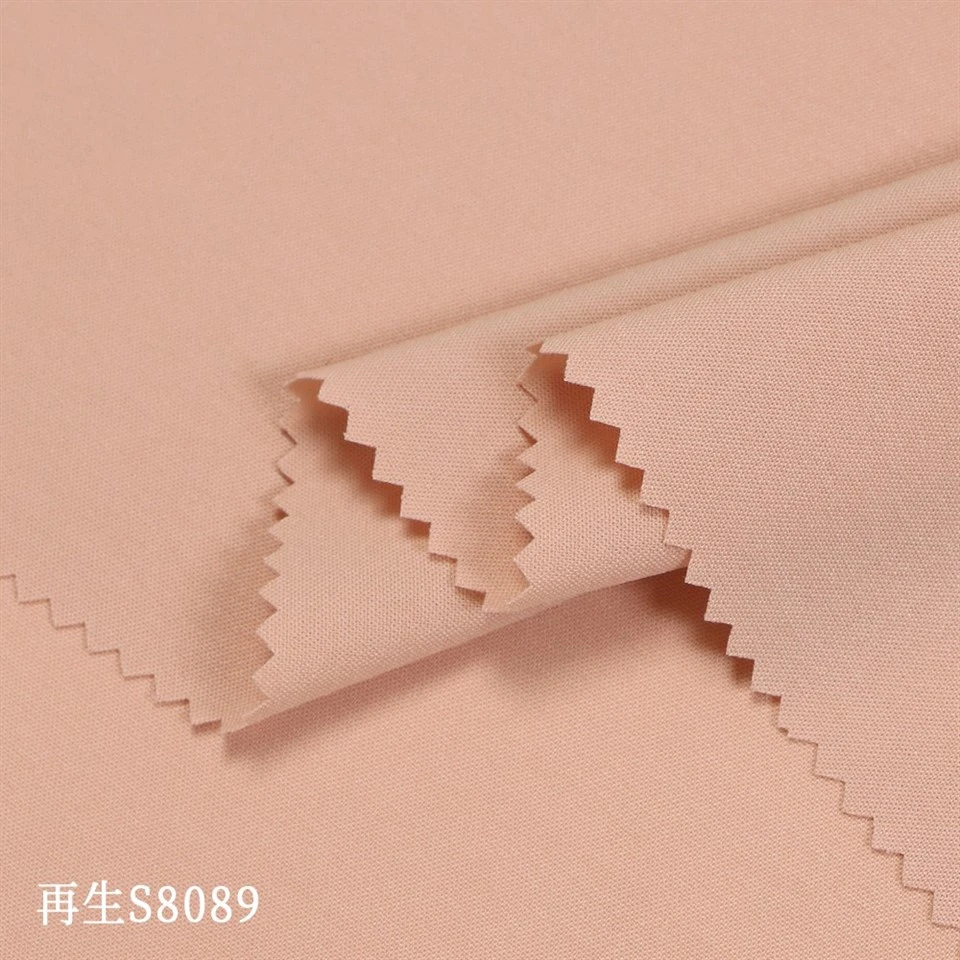
First, let’s get real about what twill even is, because I swear half the confusion comes from people mixing it up with just “any textured fabric.” Twill is that distinct weave where the threads are diagonal, right? You can spot it instantly—think of the stripes on a pair of nice jeans, or those sturdy work shirts that last forever. The key here is that it’s a plain weave variant, but instead of weaving over and under one thread each time (like regular cotton), twill weaves over two or three, skipping a thread under, then going over again. That tiny shift is everything. It makes the fabric sturdier than plain weave, but way more flexible than those super heavy upholstery-weight fabrics that feel like they could hold up a shed.
Now, let’s tackle the big question: is twill durable enough for upholstery? I get this one all the time from customers who come to me panicking because they reupholstered their couch in some random cheap fabric and it’s already pilling at the edges after 6 months. Here’s the thing—twill’s durability is in its DNA. That diagonal weave spreads the stress way better than plain weave. If you sit on a couch 10 times a day, each sit pulls a little at the fabric. With twill, the threads are angled so that pull distributes across multiple threads, not just one line like a plain weave would. I’ve had customers who used our mid-weight cotton-poly twill on their family room couches (think 2 kids and a golden retriever) and they tell me it still looks almost brand new after 4 years. Compare that to a plain weave cotton that starts to sag after 18 months? No contest.
But wait, not all twill is created equal for upholstery. That’s the mistake people make. A thin 5oz twill you’d use for a summer shirt? Perfect for a throw pillow, not for a couch seat that gets sat on every day. The sweet spot for upholstery twill is between 8oz and 12oz. That range is heavy enough to stand up to constant friction, but still soft enough that your butt doesn’t feel like it’s sitting on a cardboard box. We have a lot of regulars who are interior designers, and they swear by our 10oz cotton-linen blend twill for sectionals. It has that slight texture that hides pet hair and crumbs way better than smooth fabric, too—win-win for anyone with a busy household.
Next up: durability isn’t the only thing that matters for upholstery. You need fabric that works with different design styles, right? If twill was just that workwear-stripe fabric, it wouldn’t be half as popular. But modern twill comes in every color under the sun, not just indigo or khaki. We have customers who use our solid charcoal twill for mid-century modern sofas, our soft sage twill for Scandinavian-style accent chairs, even our subtle herringbone twill (which is just a fancy type of twill, by the way) for formal living rooms. The diagonal pattern is super subtle, so it doesn’t shout “work shirt” unless you want it to. It adds a little depth to the fabric without being loud, which is exactly what designers look for in upholstery—something that complements the furniture, not fights with it.
Now, let’s be real—no fabric is perfect, and twill has a few quirks you need to know about before you go reupholstering your entire couch. First, if you hate ironing, twill is not your ride-or-die. It wrinkles way more than velvet or leather. But here’s the good news: most of those wrinkles are casual, right? If you’re going for that lived-in, cozy vibe, the wrinkles look intentional. If you’re a perfectionist who wants your couch to look like it’s straight out of a catalog 24/7, you can easily steam it once a month and it’s good as new. The other thing to note? Some twills will shrink a tiny bit if you don’t pre-wash them. That’s not a twill-specific thing—most fabrics shrink if you skip prep—but it’s worth mentioning. If you’re using our fabric, we always tell customers to wash it on a gentle cycle and tumble dry on low before cutting. That way, any shrinkage happens before you sew it to the couch, so you don’t end up with a lumpy sofa 6 months later.
I also get asked a lot about cleaning—super important for upholstery, especially if you have kids or pets. Most quality upholstery twills have a stain-resistant finish these days, right? We use a water-based repellent on all our mid and heavy-weight twills, which means if you spill wine or juice (or golden retriever slobber… don’t ask), you can just blot it with a little soap and water and it’s gone. Avoid harsh chemicals, obviously, but most regular household cleaners work fine. The only exception is if you use a raw, uncoated cotton twill—those are a bit more prone to staining, but they’re super easy to treat with a fabric protector spray if you want.
Let me throw in a real customer story to back this up. Last year, a guy named Mike came to me asking for fabric for his mom’s recliner. She’s 82, has arthritis, and wanted a fabric that was soft but wouldn’t tear if she shifted around a lot. He’d tried a microfiber before, but it got too hot in the summer, and a velvet that was too slippery for her to sit easily. He ended up going with our 9oz cotton-cashmere blend twill. A month later, he sent me a message saying it was perfect—she loves how soft it is, he hasn’t had to repair a single seam, and it doesn’t get sweaty when she watches her afternoon soaps. That’s the kind of stuff I live for—helping people find the right fabric for their needs, not just the fanciest one on the shelf.
Another thing I love about twill for upholstery is that it’s way more budget-friendly than a lot of the alternatives. I mean, leather is out for most people unless you’re made of money, and heavy linen blends or velvet can run $50-$100 a yard. Our mid-weight upholstery twill is usually between $15 and $30 a yard, which is a steal when you consider it’s just as durable as those pricier options. And if you’re a DIYer reupholstering your own couch, twill is way easier to work with than slippery fabrics like silk or even velvet. That diagonal weave gives it a little texture that helps it stay under your sewing machine’s presser foot without slipping, and it doesn’t fray as easily as plain weave when you cut it. I’ve had so many first-time DIY upholsterers tell me they used our twill and it turned out way better than they expected, which is the best feedback ever.
Wait, let’s address one more common myth: people think twill is only for casual furniture. No way! I’ve had interior designers use our subtle, matte twill upholstery for formal dining room chairs. The texture is soft enough that it doesn’t look too casual, but it stands up to people pulling the chairs in and out every night. We also have a dark, charcoal twill with a very fine herringbone pattern that a client used for a custom sectional in a penthouse living room. The whole space was modern and sleek, and the twill added that perfect understated detail that made the room feel polished, not like a garage sale find. So it works for every style—casual, formal, modern, classic, you name it.
Now, let’s cut to the chase: if you’re thinking about using twill for upholstery, what’s the bottom line? Here’s the quick breakdown: yes, it works, but only if you pick the right weight and type. Skip the thin, light twills (save those for shirts or table runners) and go for 8-12oz, ideally with a stain-resistant finish. Make sure you pre-wash it to avoid shrinkage. If you want durability, versatility, ease of use, and a budget-friendly price point, twill is one of the best options out there.
I know a lot of you are probably sitting there thinking, “Cool, but where do I get good upholstery twill?” That’s why I’m here. I’ve been in this game for years, sourcing only the highest quality twill fabrics that are tested for durability (we do 10,000 rub tests on every fabric we sell—way more than the minimum required for upholstery) and that won’t pill or fade after a year. Whether you’re a DIYer working on your first couch, an interior designer doing a commercial project, or just someone who wants to reupholster their grandma’s old rocking chair, we’ve got the twill you need.

If you’re ready to chat about what twill would work best for your upholstery project, or if you have questions about weight, color, or care, hit me up. No pressure, no salesy lines, just real talk about fabric that lasts. We can send you free swatches so you can feel the difference between a cheap twill and the good stuff, no strings attached.
Broken Twill References:
- Textile Institute. (2021). Twill Weave Properties and Performance for Upholstery Applications. Journal of Textile and Apparel, Technology and Management, 12(3), 45-52.
- American Home Furnishings Alliance. (2022). Durability Guidelines for Residential Upholstery Fabrics. AHFA Technical Report Series.
- Cotton Council International. (2020). Performance of Cotton-Blend Twill Fabrics for High-Use Household Furniture. Cotton Science Research Brief.
- Textile World. (2023). Upholstery Fabric Selection: Balancing Durability, Aesthetics, and Budget. Textile Industry Trends Report.
- Home Décor Magazine. (2022). The Rise of Casual Upholstery Fabrics: Twill as a Versatile Alternative. Home Textile Innovations Quarterly.
Shaoxing Huichao Textile Co., Ltd.
As one of the most professional twill woven fabric manufacturers and suppliers in China, we offer a wide range of products with superior quality. Please feel free to wholesale bulk high-end twill woven fabric in stock here from our factory. Good service and reasonable price are available.
Address:
E-mail: darrenzhong@huichaotextile.com
WebSite: https://www.huichao-textile.com/
